Demand and Supply
Microeconomics
The fundamental diagram showing the relationship between demand and supply in a competitive market, determining equilibrium price and quantity.
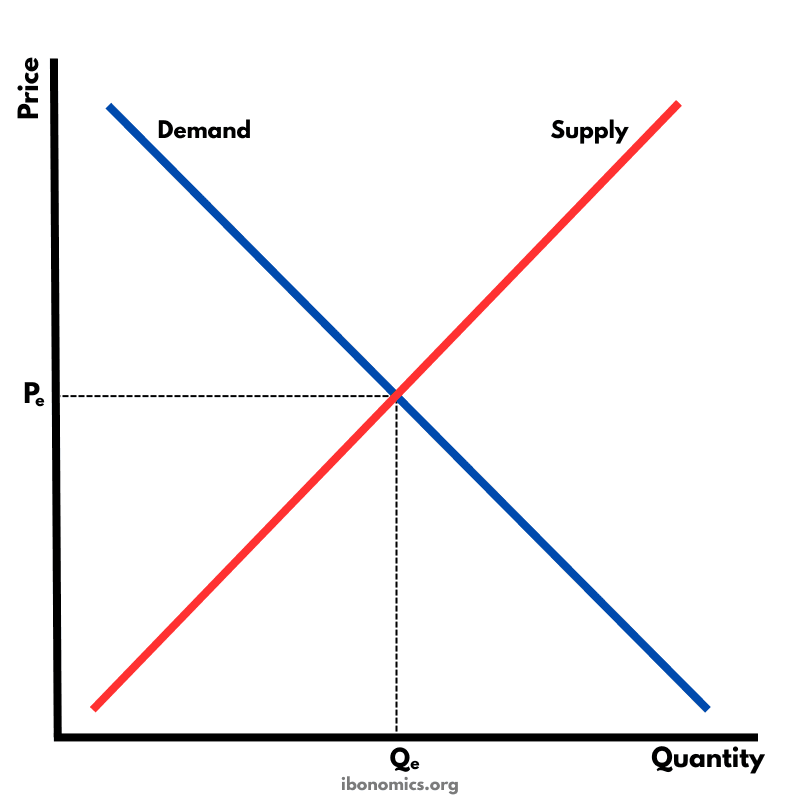
Curves and Elements
demand
Demand Curve (D): Shows the inverse relationship between price and quantity demanded. Slopes downward from left to right.
supply
Supply Curve (S): Shows the positive relationship between price and quantity supplied. Slopes upward from left to right.
equilibrium
Equilibrium Point (E): The intersection of demand and supply curves where market clears.
The demand curve shows the relationship between price and quantity demanded, sloping downward due to the law of demand.
The supply curve shows the relationship between price and quantity supplied, sloping upward due to the law of supply.
Market equilibrium occurs where demand and supply curves intersect, determining the equilibrium market price and quantity.
Shifts in demand or supply curves lead to changes in equilibrium price and quantity.
More Microeconomics Diagrams
Explore other diagrams from the same unit to deepen your understanding
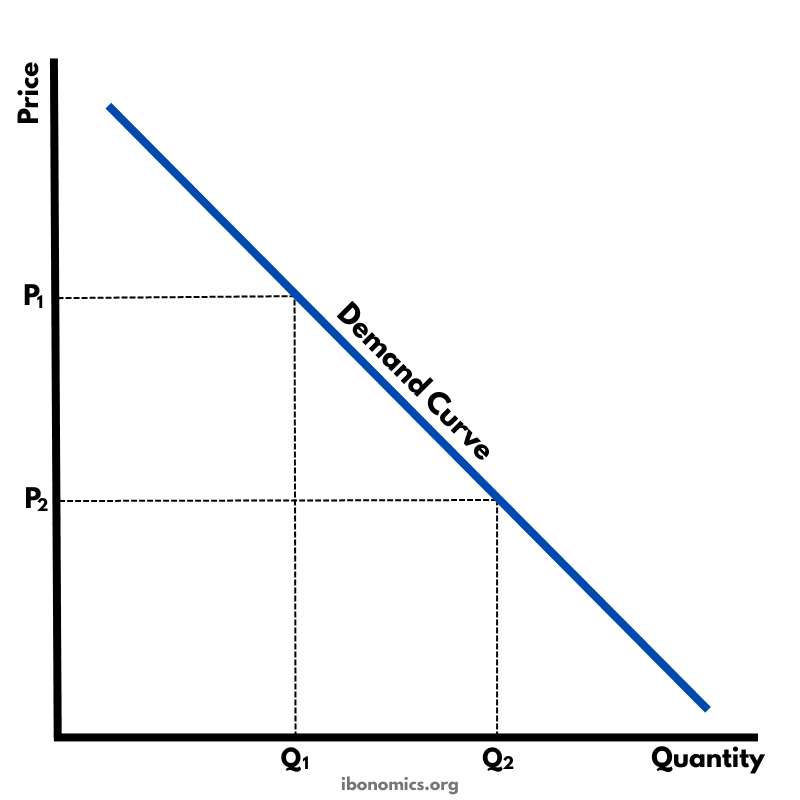
A basic diagram showing the inverse relationship between price and quantity demanded, illustrating the law of demand.
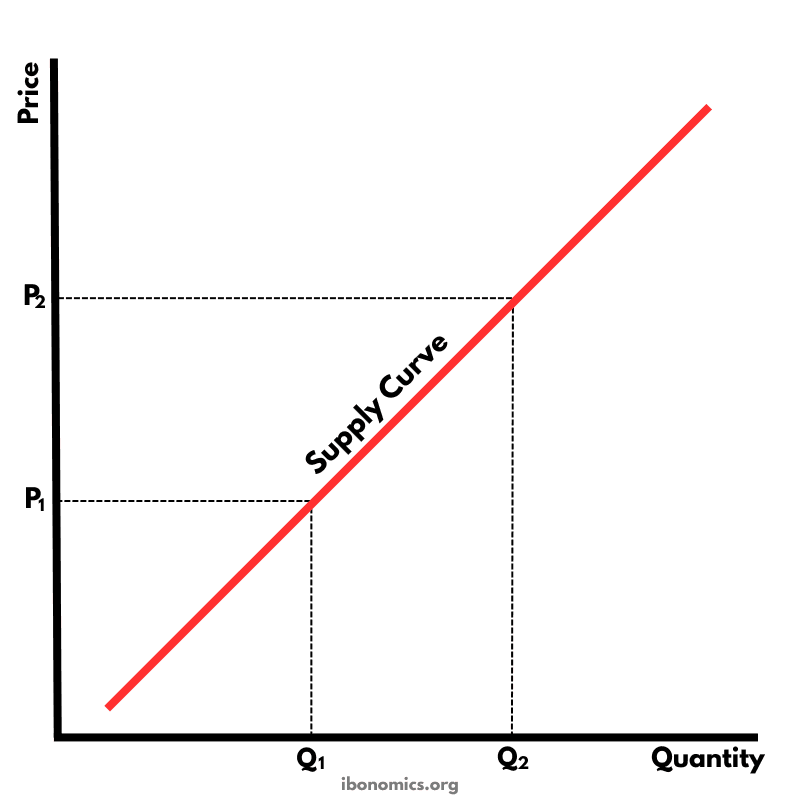
A basic diagram showing the positive relationship between price and quantity supplied, illustrating the law of supply.
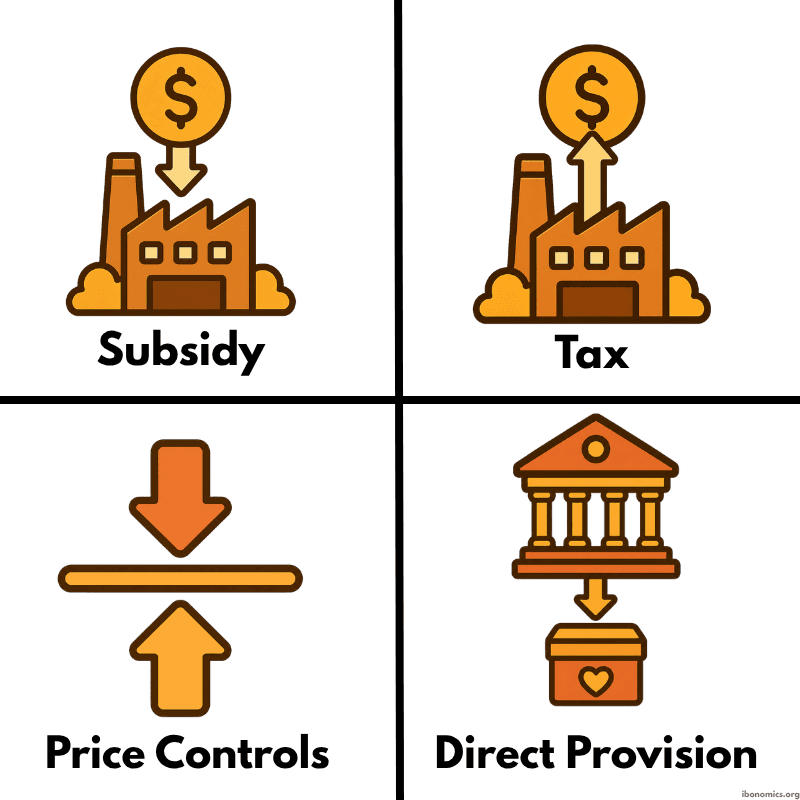
A simple diagram showing four common forms of government intervention in markets: subsidies, taxes, price controls, and direct provision.
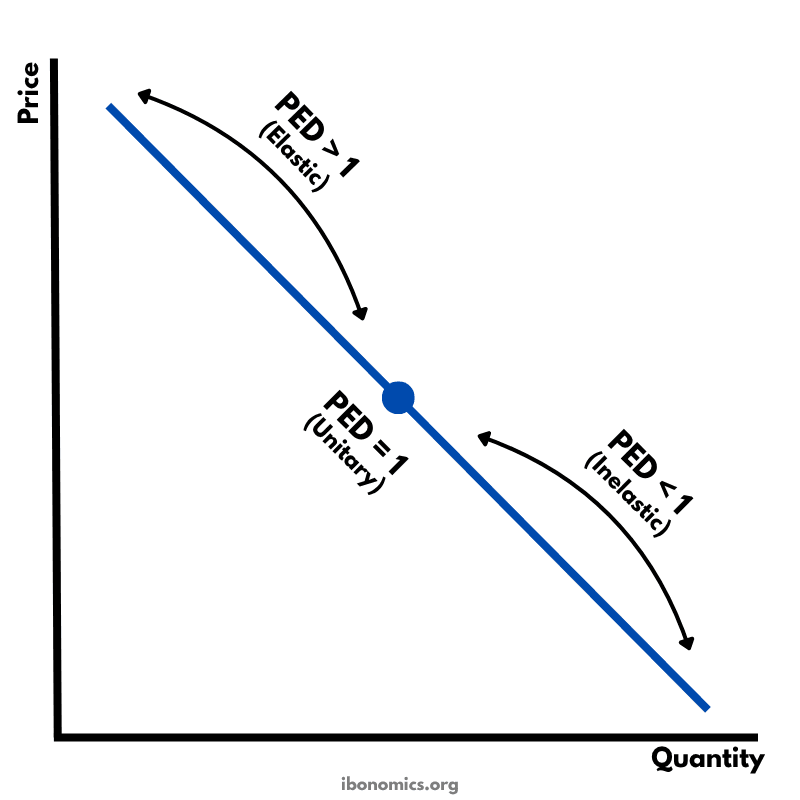
A diagram showing how price elasticity of demand changes along a straight-line demand curve, from elastic to unitary elastic to inelastic.
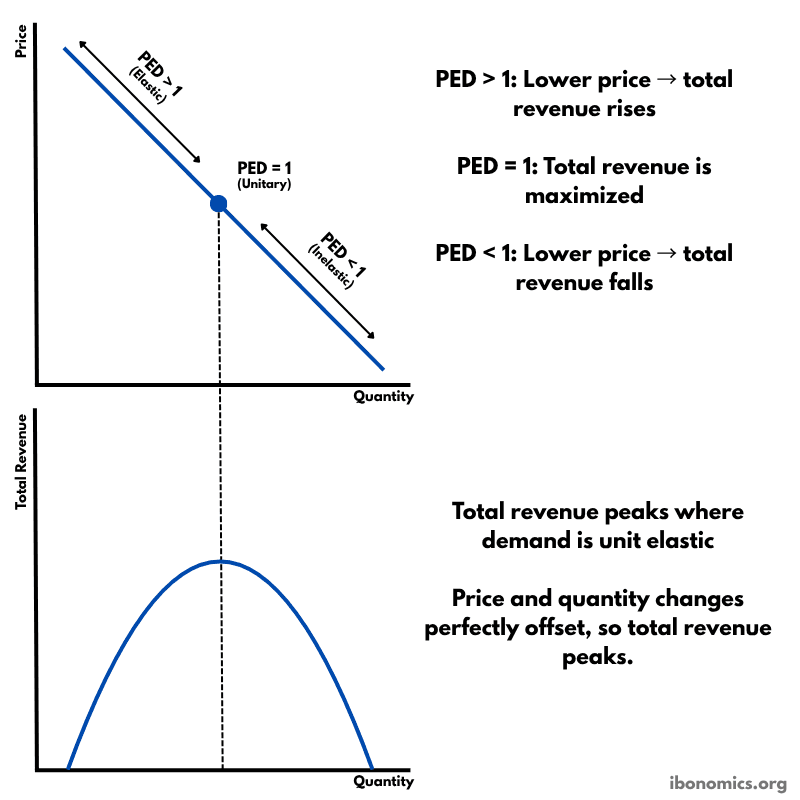
A diagram showing how price elasticity of demand affects total revenue, with total revenue maximized where demand is unitary elastic.
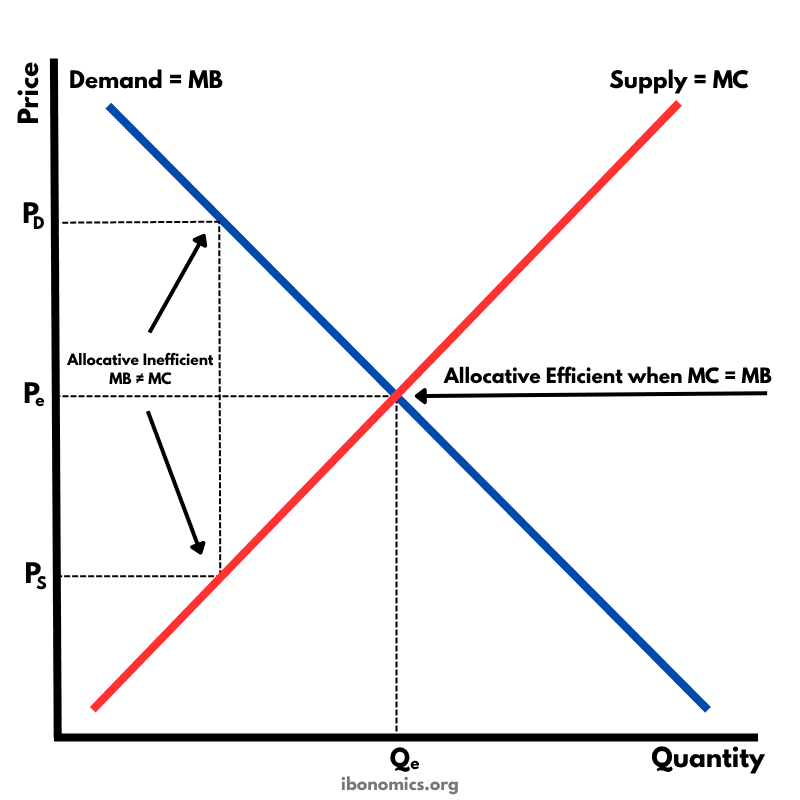
A diagram showing that allocative efficiency occurs where marginal benefit equals marginal cost, meaning resources are allocated to maximize welfare.