EU Countervailing Duties on Chinese Electric Vehicles
A real-world example of the EU imposing countervailing duties on Chinese electric vehicles to counteract unfair subsidies and protect domestic producers from dumping.
Read ArticleIntroduction
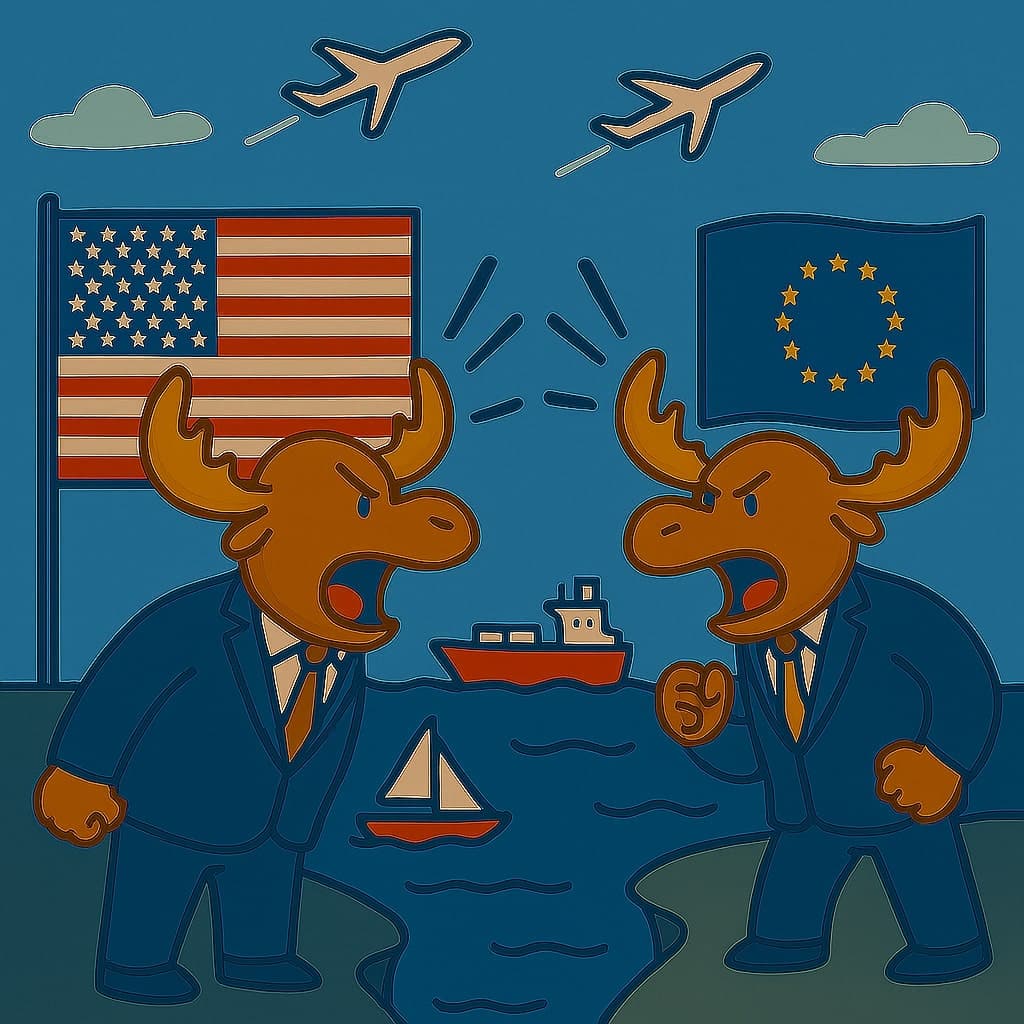
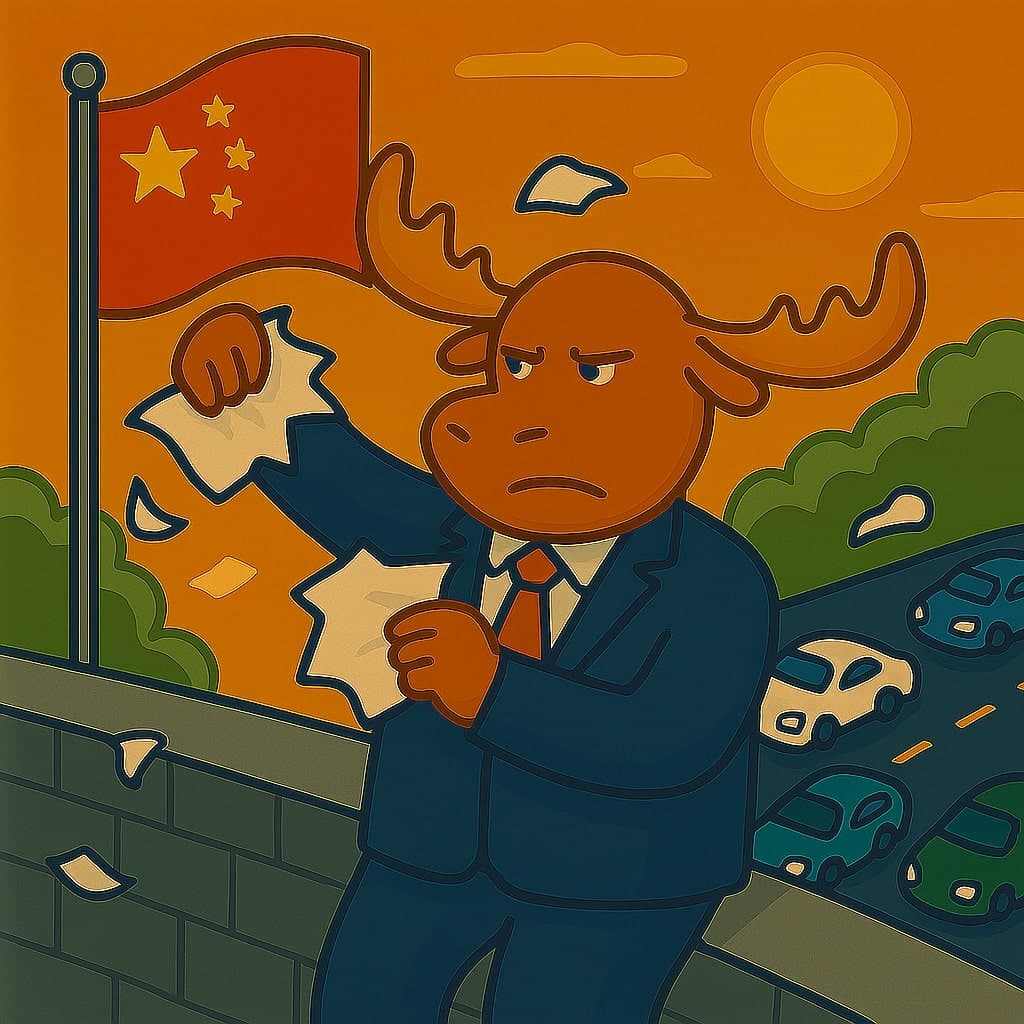
In 2024, the European Commission imposed countervailing duties on imports of battery electric vehicles (BEVs) from China. Following an extensive investigation, the Commission found that several Chinese manufacturers—including BYD, SAIC, and Geely—benefited from unfair government subsidies, allowing them to sell EVs in the EU at artificially low prices. This practice put European carmakers, such as Volkswagen and Renault, at a competitive disadvantage.
This case represents a classic example of dumping, where foreign firms sell goods below their cost or domestic price in another market and justified trade protection, where a government introduces measures like tariffs to restore fair competition and protect domestic industries. The EU’s decision to impose duties ranging between 17% and 38% aimed to level the playing field and prevent long-term harm to Europe’s growing EV sector.
Application and Evaluation in IB Economics
This real-world case can be directly applied in Paper 1 (15-mark essays) on trade protection and dumping. It serves as a strong evaluation point for discussing the advantages and disadvantages of trade protection:
- For trade protection (supporting argument): The EU’s duties help protect strategic industries (like electric vehicles) that are crucial for the green transition. Without such protection, domestic firms could be driven out of the market, reducing innovation and long-term employment in the EU.
- Against trade protection (evaluative argument): These duties may increase EV prices for consumers, slow the EU’s shift to electric mobility, and provoke retaliatory tariffs from China, potentially escalating into a trade conflict.
- In terms of economic efficiency: While trade barriers correct for unfair subsidies, they can distort comparative advantage and reduce allocative efficiency in the global market.
For IB students, this example highlights how real-world governments must balance equity (protecting domestic firms and workers) with efficiency (keeping global prices low and resources optimally allocated) which is a common evaluation theme in global economics essays.
Key Terms Explained
- Dumping: When a firm sells goods in a foreign market at a price lower than its domestic price or production cost, often to gain market share or eliminate competition.
- Subsidy: A financial assistance provided by a government to domestic producers, lowering their costs and enabling them to sell at lower prices.
- Countervailing Duties: Tariffs imposed by an importing country to counteract the effects of subsidies in the exporting country, restoring fair competition.
- Trade Protection: Any policy that restricts imports to shield domestic industries from foreign competition, such as tariffs, quotas, or subsidies.
- Comparative Advantage: The ability of a country to produce a good at a lower opportunity cost than others, forming the basis for free trade.
- Retaliation: When one country responds to another’s trade barriers with its own, potentially leading to a trade war.
This case illustrates the tension between free trade and protectionism, providing an up-to-date example of how economic theory translates into real-world policy decisions.
Related Articles
Explore more global economics examples